

What is the relationship between car seat belts and airbags? How do they work together to protect passengers?
What is the relationship between car seat belts and airbags? How do they work together to protect passengers?
Car seat belts and airbags are complementary to each other. Together, they form an important part of the car's passive safety system, working synergistically to better protect passenger safety. Here is the principle of their collaborative work:
working mechanism
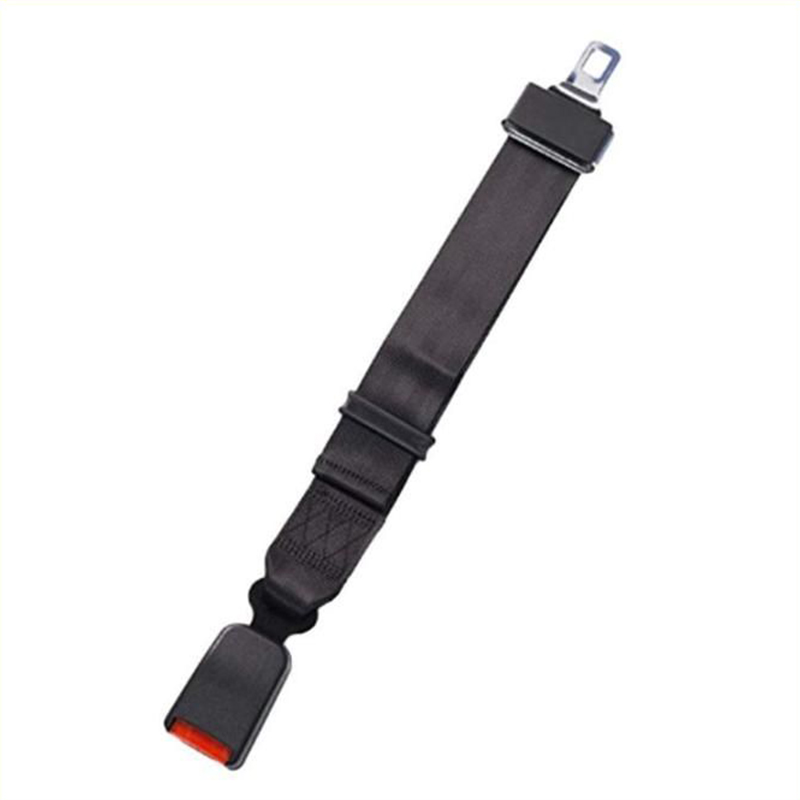
Seat belt: During normal driving, the seat belt can extend and retract freely according to the passenger's sitting posture and movements, without affecting the passenger's normal activities. In the event of a collision or sudden braking, the pre-tensioning device of the seat belt will quickly activate, tightening the seat belt to firmly secure the passenger in the seat, restricting the passenger's forward movement, preventing the passenger from colliding with hard objects inside the vehicle, and reducing the risk of injuries to important parts such as the head and chest.
Airbag: The airbag system monitors the intensity and type of collision through sensors on the vehicle. When the sensors detect a collision of sufficient intensity, they trigger the inflation and deployment of the airbag within a very short period of time (usually within tens of milliseconds). The airbag deploys from locations such as the steering wheel, dashboard, and doors, rapidly inflating and expanding to form a soft cushioning area between the passenger and the interior components of the vehicle, reducing the impact force on the passenger's body.
Collaborative working mode
Initial stage of collision: At the moment of collision, the pretensioner of the seat belt first comes into play, firmly securing the passenger in the seat and stabilizing the passenger's body posture, creating favorable conditions for the airbag to function. At this time, the airbag begins to inflate rapidly.
Mid-collision: The airbag has inflated and fully deployed. At this point, the seat belt continues to restrain the passenger, preventing the passenger from leaning forward excessively and colliding rigidly with the airbag. Simultaneously, the airbag provides cushioning protection for the passenger, dispersing the impact force generated by the collision and reducing the damage caused by direct contact between the passenger's body and the interior structure of the vehicle.
Later stage of collision: As the collision energy is gradually consumed, the airbags start to deflate slowly, while the seat belts continue to restrain the passengers, preventing them from being injured again due to inertia or other reasons after the vehicle comes to a stop.
Through the coordinated work of seat belts and airbags, passengers can be provided with comprehensive protection in car collision accidents, greatly reducing the degree and risk of passenger injuries. It should be noted that only by correctly using seat belts can they effectively cooperate with airbags to achieve better protective effects.
Send Inquiry



X
We use cookies to offer you a better browsing experience, analyze site traffic and personalize content. By using this site, you agree to our use of cookies.
Privacy Policy