

What are the key indicators included in the environmental certification of seat belt manufacturers?
What are the key indicators included in the environmental certification of seat belt manufacturers?
1. Core Issues: What indicators should be focused on for environmental certification of seat belt manufacturers? 1. Hazardous substance limit indicators (basic safety indicators) are directly related to product safety and environmental compatibility, and must comply with multiple international standards: heavy metal control: the total amount of lead, cadmium, mercury, etc. must meet the OEKO-TEX® standard, with cadmium ≤ 0.1 mg/kg and lead ≤ 100 mg/kg; organic pollutant limits: 1,4-dioxane ≤ 10 mg/kg, total perfluorinated compounds (PFAS) ≤ 260 μg/kg, and flame retardants such as polybrominated biphenyls (PBBs) must comply with the REACH regulation's 250 Substances of Very High Concern (SVHC) list requirements; other limits: formaldehyde ≤ 75 mg/kg, pH value controlled between 4.0 and 9.0, and azo dyes are prohibited from containing carcinogenic aromatic amines.
2. Production pollutant emission indicators (process control indicators) regulate the environmental impact of the entire production process and must comply with national and local standards: wastewater discharge: indicators such as COD and BOD5 must meet the Class III standard of the Integrated Wastewater Discharge Standard (GB 8978-1996), and ammonia nitrogen must be up to standard before being discharged into the municipal pipe network; exhaust gas treatment: printing and drying processes must be equipped with purification devices, with VOCs emission concentration ≤ 80 mg/m³, and combustion exhaust gas must be installed with low-nitrogen burners; solid waste disposal: hazardous waste (waste activated carbon, waste printing screen) must be entrusted to qualified units for disposal, and the comprehensive utilization rate of general industrial solid waste must be ≥ 90%.
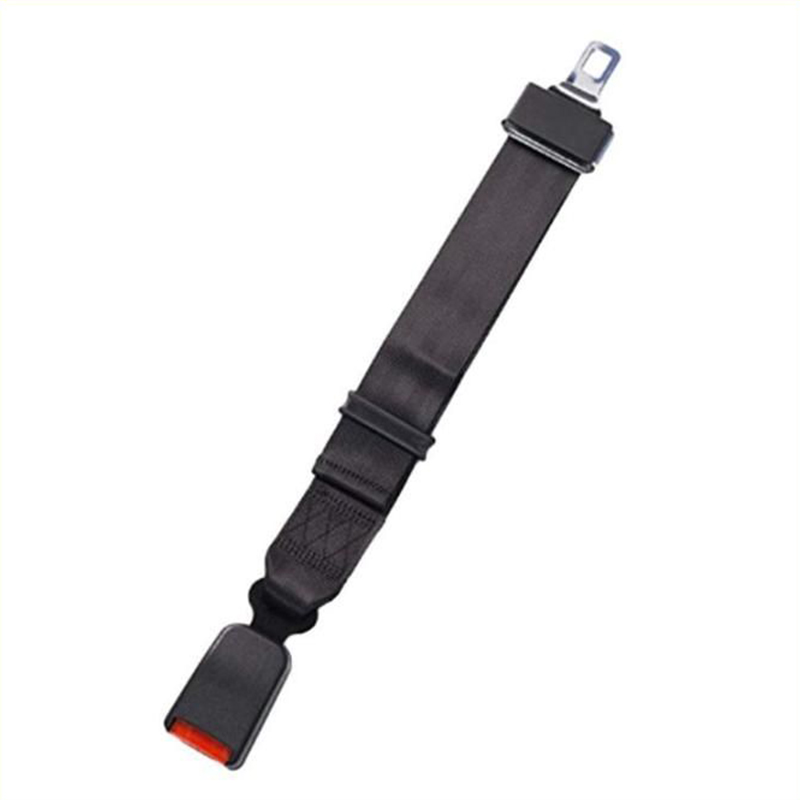
3. Environmental management system certification (core guarantee indicators) reflects the systematic environmental protection capabilities of enterprises, and necessary certifications include: ISO 14001 certification: establish a complete environmental management system covering core modules such as pollution prevention, resource conservation, and compliance assessment; industry-specific certification: automotive seat belts must pass UCA (Automotive Certification) to ensure compliance with both environmental and safety requirements in the automotive industry.
4. Material sustainability indicators (development indicators) focus on resource recycling and ecological friendliness: recyclability: the recyclable proportion of webbing base materials must be ≥ 85%, and metal accessories must use recycled materials or designs that are easy to disassemble; degradation performance: nonwoven materials must meet a microbial degradation rate of ≥ 60% (28 days) to avoid environmental cumulative pollution; Use of Non-toxic Auxiliaries: Prioritize the use of environmentally friendly flame retardants and plasticizers, and prohibit the use of chemical auxiliaries containing endocrine disruptors.
5. Energy and Resource Consumption Indicators (Efficiency Optimization Indicators) Measuring the Green Level of the Production Process: Energy consumption per unit of product: The comprehensive energy consumption per 10,000 sets of seat belts is ≤500kWh, and the use of clean energy such as electric heating is encouraged; Water resource utilization: The reuse rate of production water is ≥80%, and cooling wastewater needs to be recycled and not discharged.6. Compliance and Label Certification (Traceability Guarantee Indicators) Ensure the effectiveness and traceability of certification: Products must pass the China Environmental Labeling Product Certification (Ten-Ring Certification), and product labels must bear the environmental certification number; Export products must comply with the regulations of the target market, such as the EU ECO PASSPORT certification and relevant standards of the US EPA.II. Summary The core logic of environmental certification for seat belt manufacturers is based on the control of harmful substances in products, with pollution control in the production process as the key, and systematic management as the guarantee, while taking into account resource conservation and compliance traceability. When selecting products, consumers and purchasers should focus on verifying compliance with quantitative indicators (such as heavy metal limits and wastewater discharge concentration) and authoritative certification qualifications (ISO 14001, OEKO-TEX®), avoiding focusing solely on product safety performance and ignoring environmental compliance, and promoting green transformation in the industry.
Send Inquiry



X
We use cookies to offer you a better browsing experience, analyze site traffic and personalize content. By using this site, you agree to our use of cookies.
Privacy Policy