

From Webbing to Retractor: How Many Tests Does a Car Seatbelt Undergo Before Production?
From Webbing to Retractor: How Many Tests Does a Car Seatbelt Undergo Before Production?
A qualified car seatbelt undergoes an extremely rigorous testing and validation process from raw materials to vehicle installation. Covering every aspect from micro fibers to the complete assembly, these tests ensure reliability under extreme conditions – far stricter than ordinary consumers can imagine.
Testing begins at the material level. High-strength polyester fibers used in seatbelt webbing first undergo physical and chemical inspections: tensile strength, abrasion resistance, UV aging resistance, high and low temperature resistance (ranging from -40°C to over 100°C), humidity resistance and mold corrosion resistance. These tests guarantee the fibers maintain consistent strength throughout the vehicle’s lifespan against global climatic conditions. Color fastness of dyes and coatings to light is also strictly assessed to prevent fading.
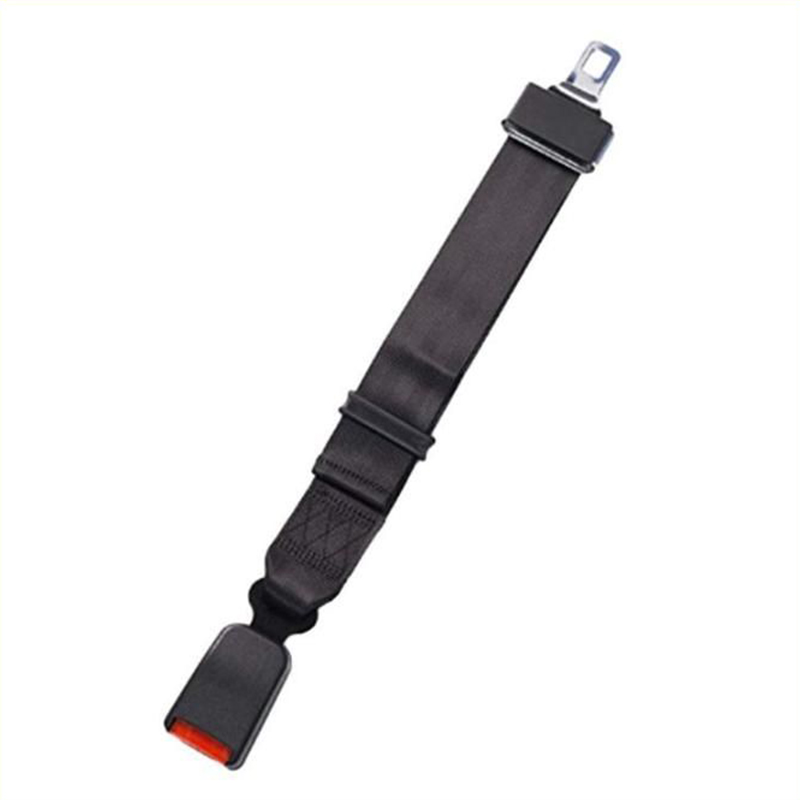
At the component level, each individual part is thoroughly tested. Webbing undergoes dynamic tensile tests to evaluate energy absorption by simulating high-speed loading until rupture. Retractor locking mechanisms are repeatedly tested for sensitivity and reliability under varying angles and acceleration impacts. Buckles endure tens of thousands of insertion-extraction durability cycles and high-load strength tests to prevent accidental release during severe crashes. Pretensioners and force limiters are verified for precise and consistent activation, response time and force output under extreme temperatures, vibration and salt spray environments.
Assembly-level testing forms the core of overall performance validation. The most critical test is the sled test. The entire seat and seatbelt assembly is mounted on a high-speed acceleration-deceleration sled with standardized crash test dummies (such as 50th percentile male dummies). Simulating front, offset, side and rollover crashes at various speeds, sensors on the dummies measure key biomechanical indicators including chest compression, head injury criteria and abdominal intrusion. All indicators must comply with regulatory limits and even stricter internal automaker standards. Additional tests include tens of thousands to hundreds of thousands of retraction-extraction durability cycles and high-low temperature operation tests in vehicle-like environments.
Finally, products must pass regulatory and certification tests. In China, compliance with GB 14166, the national mandatory standard for motor vehicle occupant seatbelts, restraint systems, child restraint systems and ISOFIX child restraint systems is required. Export products must meet European standards (ECE R16) and US standards (FMVSS 209) as applicable. These regulatory tests serve as market access thresholds. Leading seatbelt manufacturers and automotive brands implement internal standards several times stricter than legal requirements. Before hitting the market, a seemingly simple seatbelt may undergo hundreds of tests with hundreds of samples consumed, ensuring it performs flawlessly when danger strikes.
Send Inquiry



X
We use cookies to offer you a better browsing experience, analyze site traffic and personalize content. By using this site, you agree to our use of cookies.
Privacy Policy