

How to Control Porosity Issues During Automotive Aluminum Casting Production?
How to Control Porosity Issues During Automotive Aluminum Casting Production?
Porosity remains one of the most dangerous quality risks in automotive aluminum casting, especially for safety hardware that will be fitted to a car seat belt.
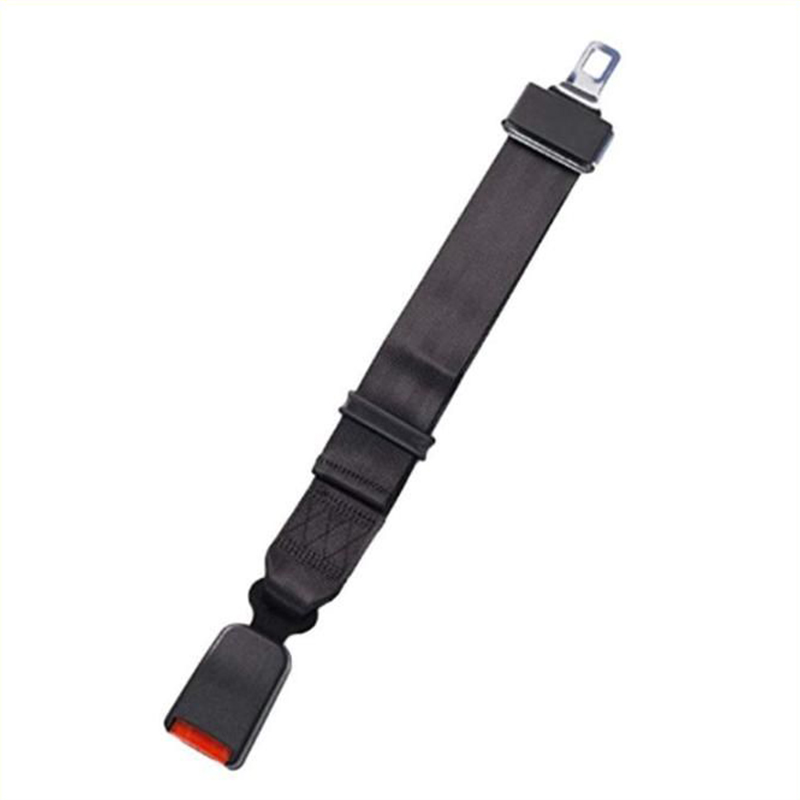
A responsible seat belt manufacturer controls molten metal temperature, degassing procedures, and mold filling speed to minimize porosity in aluminum casting. Trapped gas bubbles inside aluminum casting can weaken the buckle or guide piece of the car seat belt and trigger sudden mechanical failure during vehicle collisions. The seat belt manufacturer uses non-destructive X-ray inspection to screen aluminum casting parts before assembling them into a finished car seat belt.
Continuous adjustment of casting process parameters helps the seat belt manufacturer stabilize aluminum casting quality for every car seat belt hardware batch. Rigorous porosity control is mandatory because hidden aluminum casting defects directly threaten the core protective function of the car seat belt.
Send Inquiry



X
We use cookies to offer you a better browsing experience, analyze site traffic and personalize content. By using this site, you agree to our use of cookies.
Privacy Policy