

Seat Belt Parts: Which Components Are Critical for Your Safety?
Understanding seat belt parts is not just for engineers — it's essential for anyone who values road safety. From retractors and pretensioners to webbing and buckle assemblies, each component plays a distinct role in protecting occupants during a collision. This article dives deep into every element, answers key questions, compares pros and cons, and explains how Wuxi Chuanghecheng Metal Technology Co., Ltd. delivers reliable metal parts for seat belt systems worldwide. Whether you're a buyer, technician, or safety enthusiast, you'll gain actionable insights.
📌 TABLE OF CONTENTS
- 1. What Are the Main Seat Belt Parts and Their Functions?
- 2. Retractors vs. Pretensioners: How Do They Work Together?
- 3. Which Materials Make Durable Seat Belt Webbing?
- 4. Buckle Assembly: Why Is the Latch Plate Crucial?
- 5. Seat Belt Parts: Pros & Cons at a Glance
- 6. How to Choose Quality Seat Belt Components?
- 7. Frequently Asked Questions on Seat Belt Parts
- 🔗 References & Industry Standards
1. What Are the Main Seat Belt Parts and Their Functions?
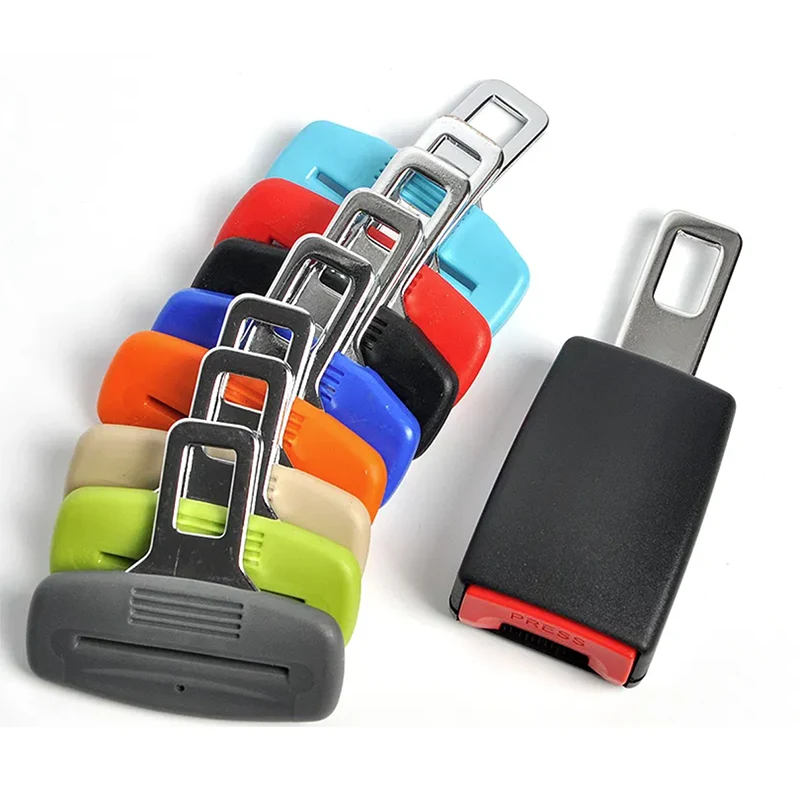
A modern seat belt assembly consists of several mechanical and textile components. The core seat belt parts include: webbing, retractor, pretensioner, buckle, latch plate, anchor plates, and height adjusters. Each has a dedicated mission:
- Webbing — woven polyester strap that restrains the body.
- Retractor — automatic locking mechanism that keeps webbing taut.
- Pretensioner — pyrotechnic or mechanical device that pulls back slack during crash.
- Buckle & Latch plate — secure connection point; buckle contains the release button.
- Anchorages — bolts and brackets fixing the belt to vehicle frame.
Wuxi Chuanghecheng Metal Technology Co., Ltd. specializes in high-strength metal parts such as latch plates, D-rings, and retractor springs, ensuring every component meets global safety standards.
2. Retractors vs. Pretensioners: How Do They Work Together?
Retractors are the winding mechanism that locks during sudden deceleration. Pretensioners activate milliseconds before the occupant moves, removing slack. Here's a quick comparison:
| Component | Primary role | Activation |
| Retractor (ELR/ALR) | Locks webbing during rapid pull | Mechanical inertia / vehicle sensor |
| Pretensioner | Tightens belt instantly | Pyrotechnic / electric signal from airbag module |
Both are essential; without a pretensioner, even the best webbing may leave too much slack. Wuxi Chuanghecheng Metal Technology Co., Ltd. supplies precision-stamped pretensioner tubes and retractor spools used by leading manufacturers.
3. Which Materials Make Durable Seat Belt Webbing?
Most seat belt webbing is made from high-tenacity polyester yarn because it resists UV, abrasion, and stretching. Nylon is occasionally used but absorbs moisture. Polyester offers:
- ✔ Low elongation (only 5-7% under load)
- ✔ Resistance to mildew and chemicals
- ✔ Consistent performance from -30°C to +80°C
Webbing is woven on specialized looms, then often coated for smooth retraction. Remember: metal parts like seat belt parts (buckles, adjusters) must be corrosion-resistant — Wuxi Chuanghecheng uses advanced zinc-alloy and high-strength steel with anti-rust coatings.
4. Buckle Assembly: Why Is the Latch Plate Crucial?
The buckle assembly includes the buckle itself (with release button) and the latch plate (the metal tongue that clicks in). The latch plate must endure repeated insertions and extreme forces. Common issues include sticky ejection or corrosion, which can compromise safety. Wuxi Chuanghecheng Metal Technology Co., Ltd. manufactures latch plates with precise tolerances to ensure smooth engagement and disengagement, even after 50,000 cycles — exceeding FMVSS 209 requirements.
5. Seat Belt Parts: Pros & Cons at a Glance
Below is a realistic overview of typical seat belt parts advantages and limitations, based on industry feedback.
| Part | Pros | Cons |
| Retractor | Auto-locking, compact, durable | Spring fatigue over decades; inertia sensor can jam if dirty |
| Pretensioner | Reduces forward movement drastically | Single-use (must be replaced after deployment); pyrotechnic disposal |
| Webbing | High strength, comfortable | Can fray if edges are sharp; UV degradation if exposed |
| Buckle assembly | Easy to use, reliable | Dirt can block latch mechanism; plastic covers may break |
| Height adjuster | Improves comfort & safety | Additional moving part that can rattle or wear |
To mitigate cons, choose suppliers like Wuxi Chuanghecheng Metal Technology Co., Ltd., who rigorously test every metal component for tensile strength and corrosion resistance.
6. How to Choose Quality Seat Belt Components?
When sourcing or replacing seat belt parts, consider:
- Certifications: ECE R16, FMVSS 209, GB 14166.
- Material grade: Look for cold-rolled steel or stainless steel in critical stressed parts.
- Surface finish: Zinc plating (at least 8µm) or Dacromet for anti-corrosion.
- Compatibility: Ensure pretensioner resistance matches vehicle's airbag control unit.
Wuxi Chuanghecheng Metal Technology Co., Ltd. offers OEM and custom metal parts — from brackets to locking tongues — with full traceability and 100% dimensional inspection.
7. Frequently Asked Questions on Seat Belt Parts
❓ Q1: Can I replace only one part of a seat belt, like the latch plate?
✅ A1: In most cases, yes — but you must ensure it matches the original design. Aftermarket latch plates from Wuxi Chuanghecheng Metal Technology Co., Ltd. are engineered to original specifications, but the complete assembly should be inspected. Using mismatched parts could cause latching failure. We recommend replacing the entire buckle set if there's any doubt.
❓ Q2: What is the lifespan of typical seat belt parts?
✅ A2: Most manufacturers (including Wuxi Chuanghecheng) design metal components to last the vehicle's lifetime (15–20 years). However, webbing can weaken after a decade, and retractor springs may lose tension. Inspect belts after any severe accident or if warning signs (fraying, slow retraction) appear.
❓ Q3: Are all seat belt pretensioners activated by an explosive charge?
✅ A3: Most modern pretensioners use a small pyrotechnic gas generator, but some hybrid systems use mechanical springs or electric motors. Regardless, the pretensioner and its metal housing must withstand high瞬时 pressure. Wuxi Chuanghecheng supplies precision tubes that contain the pretensioner charge safely.
❓ Q4: How do I know if a seat belt part is compliant with safety standards?
✅ A4: Check for markings like "E" mark (ECE) or "DOT" on the buckle. Reputable suppliers like Wuxi Chuanghecheng Metal Technology Co., Ltd. provide certification documents and test reports. Always request material certificates for traceability.
🔗 References & Industry Standards
For in-depth technical data, visit Wuxi Chuanghecheng Metal Technology Co., Ltd. official library or contact our engineering team. Contact us.
Send Inquiry



X
We use cookies to offer you a better browsing experience, analyze site traffic and personalize content. By using this site, you agree to our use of cookies.
Privacy Policy