

Why Does the Sewing Process of Safety Belt Manufacturers Determine Service Life?
Why Does the Sewing Process of Safety Belt Manufacturers Determine Service Life?
When it comes to safety belts, whether for automotive or industrial use, their service life is a critical factor that directly relates to the protection of human life. Many people may focus on the quality of the belt material or the design of the buckle, but few realize that the sewing process of safety belt manufacturers is the core factor determining the service life of safety belts. The sewing process is not just a simple stitching of materials; it is a precise and rigorous technical process that affects the overall structural stability, load-bearing capacity, and durability of the safety belt. This article will deeply explore why the sewing process of safety belt manufacturers plays a decisive role in the service life of safety belts.
First of all, the sewing process directly determines the load-bearing capacity of the safety belt. Safety belts are designed to withstand huge impact forces in emergency situations—for example, when a car crashes, the safety belt needs to bear the entire weight of the occupant and the impact force generated by the sudden deceleration. If the sewing process is substandard, such as uneven stitching density, loose threads, or improper thread selection, the stitching part will become the weakest link of the safety belt. When subjected to a large impact force, the stitching is likely to break, causing the safety belt to fail and lose its protective effect. High-quality safety belt manufacturers adopt high-precision sewing equipment and strict stitching standards, ensuring that each stitch is even, tight, and consistent. The stitching density is usually controlled at 10-12 stitches per inch, which can effectively disperse the impact force to the entire belt body, avoiding local stress concentration and ensuring that the safety belt can bear the designed load for a long time.
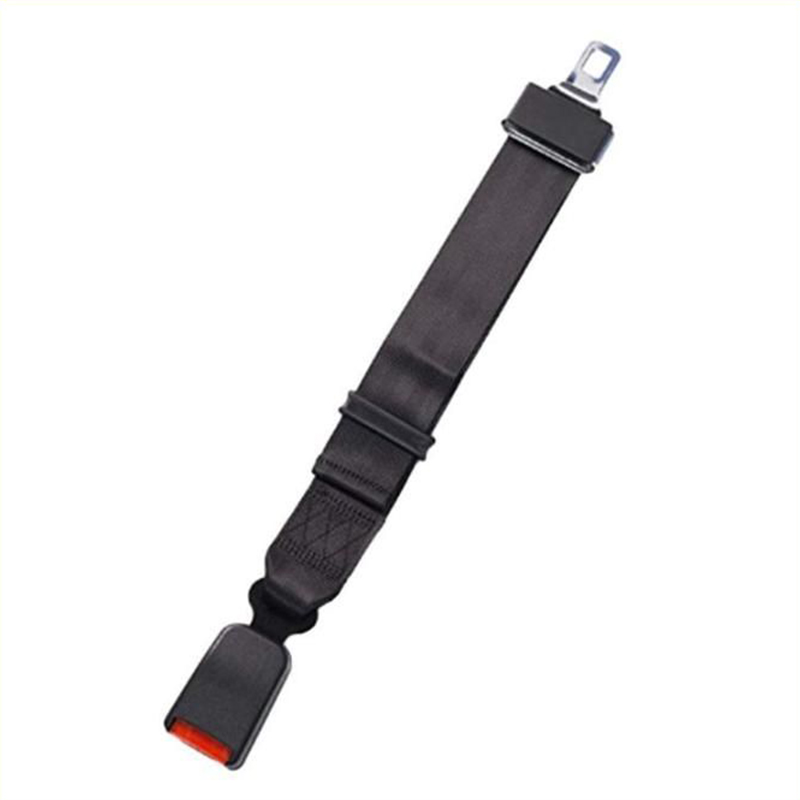
Secondly, the sewing process affects the wear resistance and corrosion resistance of the safety belt, thereby affecting its service life. Safety belts are used in various harsh environments—automotive safety belts are exposed to sunlight, high temperature, humidity, and even chemical substances such as engine oil and detergent; industrial safety belts are often used in construction sites, chemical plants, and other places, facing friction, dust, and corrosive gases. If the sewing process is not rigorous, the stitching gap will be too large, allowing dust, moisture, and corrosive substances to enter the inside of the belt, accelerating the aging and damage of the belt material. In contrast, high-standard sewing processes use sealed stitching technology, which can minimize the gap between stitches, prevent the intrusion of external harmful substances, and protect the internal structure of the belt. At the same time, the thread used in the sewing process is also crucial—high-quality safety belt manufacturers use high-strength, corrosion-resistant, and wear-resistant polyester or nylon threads, which can maintain good performance in harsh environments and avoid thread breakage or aging caused by external factors.
Thirdly, the sewing process determines the structural stability of the safety belt. A safety belt is composed of multiple parts, including the webbing, buckle, retractor, and stitching parts. The stitching parts are responsible for connecting different components of the safety belt, ensuring that the entire structure is integrated and stable. If the sewing process is improper, such as incorrect stitching position, uneven tension, or missing stitches, the connection between the components will be loose, leading to structural deformation or even separation during use. For example, the connection between the webbing and the buckle is a key part of the safety belt. If the stitching here is not firm, the webbing may break away from the buckle when subjected to impact, making the safety belt ineffective. High-quality safety belt manufacturers will conduct strict inspections on the stitching position and tension during the production process, ensuring that each connection part is firm and stable, and the structural integrity of the safety belt is maintained throughout its service life.
In addition, the sewing process also affects the fatigue resistance of the safety belt. Safety belts are used repeatedly for a long time—automotive safety belts are buckled and unbuckled hundreds or even thousands of times a year, and industrial safety belts are often subjected to repeated pulling and stretching. If the sewing process is substandard, the stitching part will be prone to fatigue damage after repeated use, such as thread loosening, stitching wear, or even breakage. High-quality safety belt manufacturers adopt fatigue-resistant sewing technology, optimizing the stitching structure and thread tension to reduce the fatigue damage of the stitching part during repeated use. At the same time, they will conduct fatigue tests on the stitched safety belts, ensuring that the stitching part can withstand long-term repeated use without damage.
It is worth noting that the sewing process of safety belt manufacturers is not only a technical issue but also a matter of responsibility. A substandard sewing process may seem like a small flaw, but it can lead to irreversible consequences in emergency situations. Therefore, regular safety belt manufacturers will formulate strict sewing process standards, conduct professional training for sewing workers, and use advanced sewing equipment to ensure the consistency and stability of the sewing quality. Each safety belt will undergo strict sewing quality inspection before leaving the factory, and unqualified products will be eliminated in time.
In conclusion, the sewing process of safety belt manufacturers is the key factor determining the service life of safety belts. It directly affects the load-bearing capacity, wear resistance, structural stability, and fatigue resistance of the safety belt. Only by adopting high-standard sewing processes, using high-quality materials and equipment, and strictly controlling the quality of each stitching link can safety belt manufacturers produce safety belts with long service life and reliable performance, providing effective protection for the lives of users.
Send Inquiry



X
We use cookies to offer you a better browsing experience, analyze site traffic and personalize content. By using this site, you agree to our use of cookies.
Privacy Policy