

What Special Processes Are Applied to Car Seat Belt Webbing? Why Is It Both Soft and Extremely Tough?
What Special Processes Are Applied to Car Seat Belt Webbing? Why Is It Both Soft and Extremely Tough?
Car seat belt webbing presents unique dual characteristics of soft and comfortable contact and extremely strong tensile toughness, which is not achieved by ordinary textile fabrics, but relies on multiple special industrial processes and high-quality raw material matching. This special performance balances daily wearing comfort and accidental impact safety, becoming the core advantage of qualified automotive seat belt webbing.
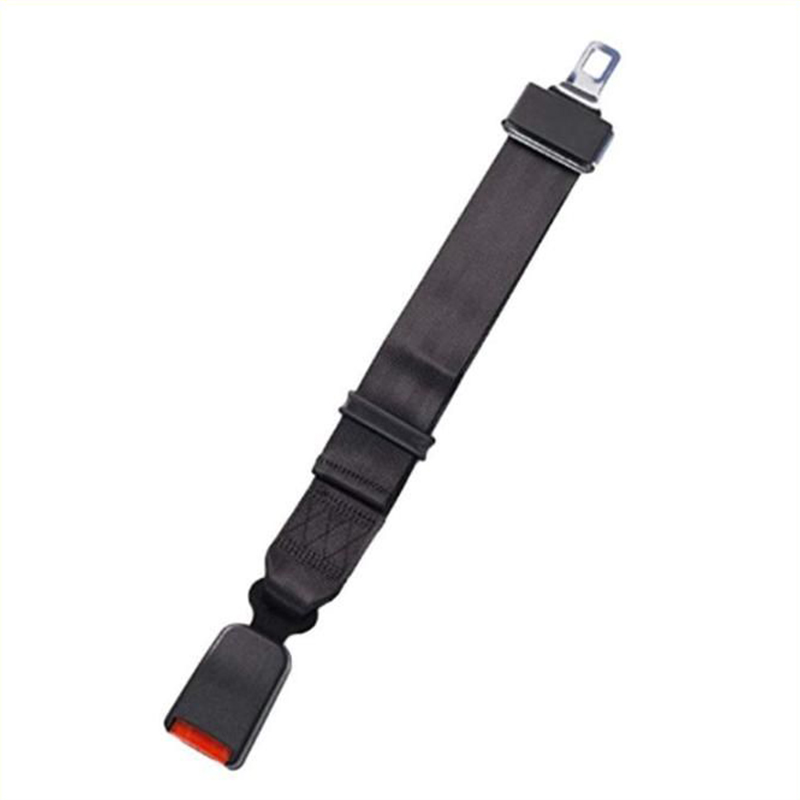
The webbing first adopts high-strength polyester industrial filament as the base material, with single fiber high toughness and strong tensile resistance. The special double-layer dense weaving process is used in the weaving link, with scientific warp and weft yarn arrangement, forming a tight and orderly fiber structure. This weaving method avoids loose texture and local stress concentration, ensuring overall uniform force. After weaving, high-temperature constant-pressure heat setting process is implemented to fix the fiber structure, eliminate shrinkage deformation, and improve webbing flatness and stability.
In addition, the webbing undergoes softening finishing and anti-aging special treatment. The environmental protection softening agent is evenly attached to the fiber surface through padding and high-temperature drying, improving the fabric softness to avoid stiff and scratchy feeling during wearing. At the same time, anti-ultraviolet and anti-oxidation coatings are added to prevent fiber aging and strength attenuation caused by long-term exposure to sunlight and high temperature in the car. The combination of these special processes makes the seat belt soft and skin-friendly in daily use, while bearing several tons of instantaneous tension in accidents, realizing the perfect integration of comfort and safety.
Send Inquiry



X
We use cookies to offer you a better browsing experience, analyze site traffic and personalize content. By using this site, you agree to our use of cookies.
Privacy Policy