

Why Is ATV Seat Belt Essential for Rider Protection?
ATVs (All-Terrain Vehicles) are designed to handle rugged environments, steep trails, and unpredictable terrain. However, the thrill of off-road riding comes with real safety challenges. One of the most overlooked yet critical safety components is the ATV seat belt system. This article explores why ATV seat belts matter, how they function, what problems they solve for riders, and how to choose the right one for maximum protection and comfort. It also addresses common misconceptions, maintenance tips, and real-world use cases to help riders make informed decisions that can significantly reduce risk and enhance riding confidence.
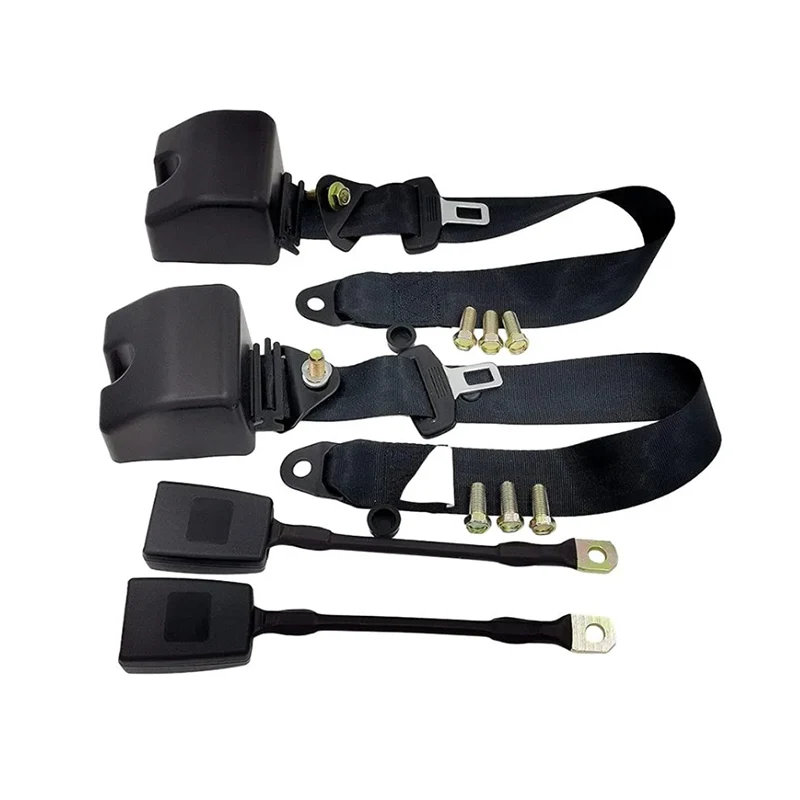
Table of Contents
- 1. Detailed Outline of This Article
- 2. Why ATV Seat Belts Matter
- 3. How ATV Seat Belts Work
- 4. Types of ATV Seat Belts
- 5. Seat Belt vs No Seat Belt Safety Comparison
- 6. How to Choose the Right ATV Seat Belt
- 7. Installation and Maintenance Guide
- 8. Common Mistakes Riders Make
- 9. Safety Practices for ATV Riders
- 10. Frequently Asked Questions
- 11. Final Thoughts and Contact Information
1. Detailed Outline of This Article
- Understanding the importance of ATV seat belts in real-world riding conditions
- Mechanical design and safety engineering behind seat belts
- Different categories and configurations available in the market
- Comparative analysis between restrained and unrestrained riding
- Practical buying guide for consumers and fleet operators
- Maintenance routines and inspection practices
- Common rider mistakes that increase accident risk
- Comprehensive FAQ section for clarity and safety awareness
2. Why ATV Seat Belts Matter
ATV riding involves unpredictable terrain such as mud, rocks, slopes, and uneven surfaces. Without proper restraint systems, riders are exposed to ejection risks during sudden turns or rollovers. ATV seat belts are engineered to keep riders securely positioned within the vehicle frame, reducing the likelihood of being thrown off during accidents.
In many reported ATV incidents, the absence of a seat belt has been a contributing factor to severe injuries. While some riders believe that freedom of movement is safer, modern safety engineering proves otherwise: controlled restraint significantly improves survival rates during rollovers and collisions.
- Reduces ejection risk during overturns
- Improves rider stability on steep terrain
- Works in coordination with roll cages and safety frames
- Enhances control during sudden vehicle movements
3. How ATV Seat Belts Work
ATV seat belts operate using a restraint system that locks the rider into a stable seating position while still allowing controlled movement. Most systems use either a 3-point or 4-point harness design. These belts distribute force across the chest, waist, and shoulders during sudden impact.
The locking mechanism is typically inertia-based, meaning it tightens instantly when rapid motion or deceleration is detected. This prevents excessive forward or sideways movement during accidents.
- Inertia Lock: Engages during sudden movement
- Load Distribution: Spreads impact force across the body
- Adjustable Straps: Ensures customized fit for riders
4. Types of ATV Seat Belts
Different ATV models and applications require different seat belt configurations. Below is a structured breakdown:
| Type | Description | Best Use Case |
|---|---|---|
| 2-Point Seat Belt | Simple lap belt across waist | Light-duty recreational ATVs |
| 3-Point Harness | Secures waist and one shoulder | General off-road riding |
| 4-Point Harness | Dual shoulder + waist restraint | High-performance or racing ATVs |
| 5-Point Harness | Includes crotch strap for extra stability | Extreme terrain and competitive racing |
5. Seat Belt vs No Seat Belt Safety Comparison
Understanding the difference between using and not using a seat belt on an ATV highlights its importance more clearly.
| Factor | With Seat Belt | Without Seat Belt |
|---|---|---|
| Rollover Protection | High stability and containment | High risk of ejection |
| Rider Control | Improved balance and posture | Unstable during impact |
| Injury Risk | Significantly reduced | High probability of severe injury |
6. How to Choose the Right ATV Seat Belt
Selecting the right ATV seat belt depends on riding style, vehicle type, and safety requirements. Below are key factors to consider:
- Material Quality: High-strength polyester or nylon webbing is preferred
- Adjustability: Ensures secure fit for different body sizes
- Release Mechanism: Quick-release buckles are essential for emergencies
- Compatibility: Must match ATV frame design and mounting points
7. Installation and Maintenance Guide
Proper installation ensures seat belt effectiveness. Incorrect mounting can reduce protection significantly.
- Always follow manufacturer installation instructions
- Check anchor points for structural strength
- Ensure no twisting of straps during installation
- Test locking mechanism before riding
Maintenance should include regular inspection for fraying, loosened bolts, and buckle functionality.
8. Common Mistakes Riders Make
- Riding without fastening the seat belt properly
- Using damaged or worn-out harnesses
- Ignoring compatibility with ATV model
- Assuming seat belts are unnecessary on flat terrain
These mistakes significantly increase the risk of accidents and reduce the effectiveness of safety systems.
9. Safety Practices for ATV Riders
- Always wear protective gear including helmet and gloves
- Perform pre-ride inspections
- Avoid excessive speed on unfamiliar terrain
- Ride within your skill level
- Never disable safety systems such as seat belts
10. Frequently Asked Questions
Q1: Are ATV seat belts really necessary?
Yes. They significantly reduce the risk of injury during rollovers or sudden impacts.
Q2: Can I ride an ATV without a seat belt?
Technically yes, but it is highly unsafe and not recommended.
Q3: What is the safest type of ATV seat belt?
A 4-point or 5-point harness provides the highest level of protection.
Q4: How often should seat belts be replaced?
Typically every few years or immediately if damage is visible.
Q5: Do seat belts restrict movement while riding?
They are designed to balance safety and flexibility, allowing controlled movement without compromising protection.
11. Final Thoughts and Contact Information
ATV seat belts are not just accessories—they are essential safety systems that protect riders from serious harm. Whether riding recreationally or professionally, using a properly designed seat belt system significantly improves safety outcomes and riding confidence. Choosing the right harness, maintaining it properly, and using it consistently can make a critical difference in emergency situations.
For high-quality ATV safety components and durable metal fitting solutions, Wuxi Chuanghecheng Metal Technology Co., Ltd. provides reliable manufacturing expertise and customized product support tailored to off-road vehicle applications.
If you are looking for dependable ATV seat belt solutions or customized safety hardware, feel free to contact us to discuss your requirements and get professional support for your project.
Send Inquiry



X
We use cookies to offer you a better browsing experience, analyze site traffic and personalize content. By using this site, you agree to our use of cookies.
Privacy Policy