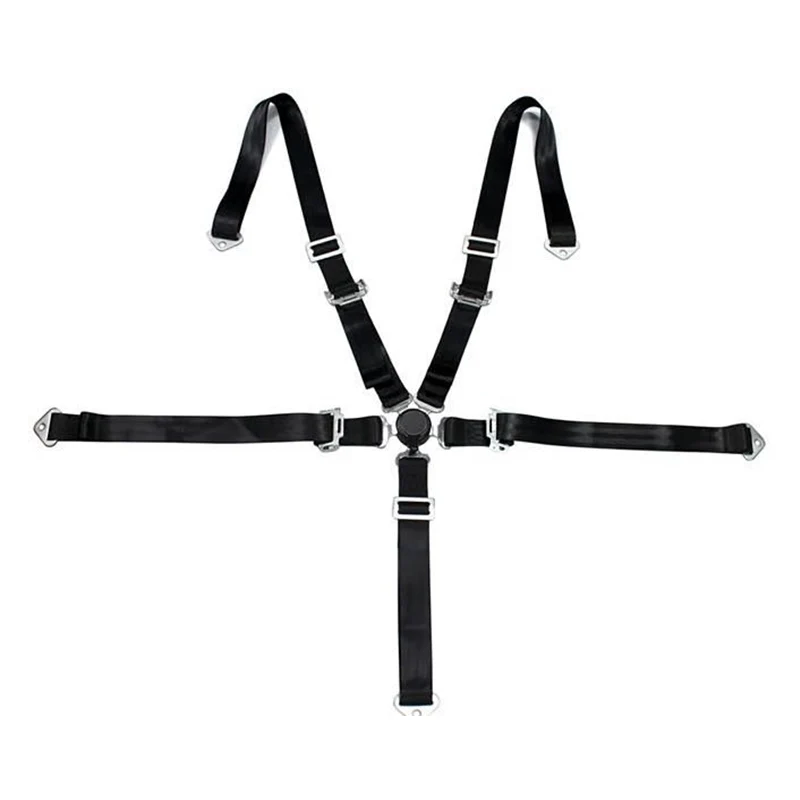
Safety is no longer optional in modern transportation, childcare equipment, industrial seating, entertainment facilities, and mobility systems. An Adjustable Five-Point Safety Seat Belt is designed to distribute impact forces evenly across the shoulders, hips, and between the legs, significantly reducing injury risks during sudden movement or collision.
This article explores the structure, benefits, applications, materials, adjustment methods, installation considerations, maintenance practices, and purchasing guidelines for adjustable five-point safety harness systems. Whether you are a manufacturer, distributor, purchasing manager, or end-user, this guide provides practical information to help you solve common safety and comfort concerns.
1. What Is an Adjustable Five-Point Safety Seat Belt?
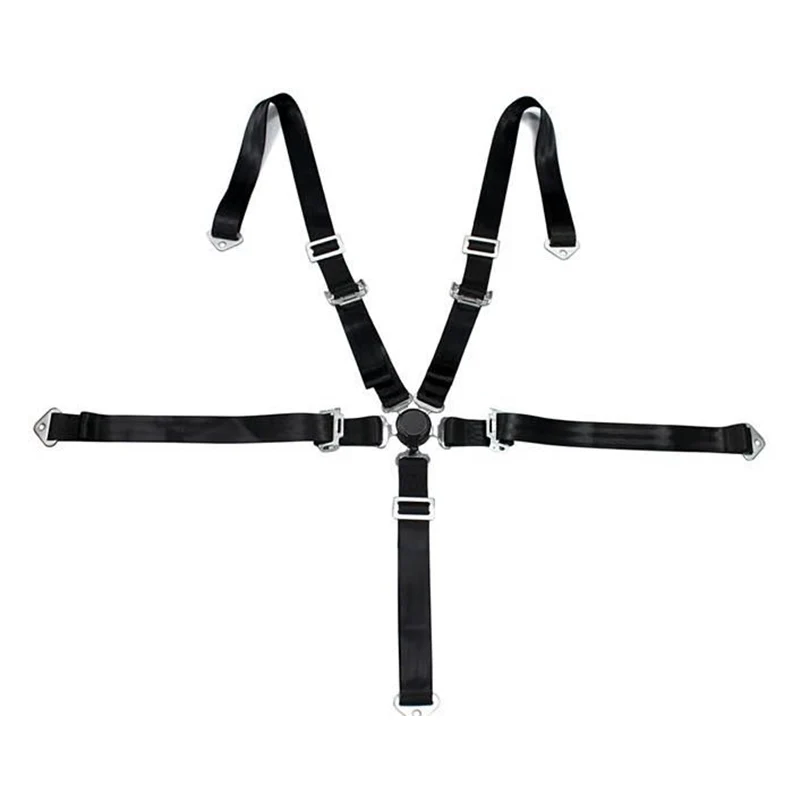
An Adjustable Five-Point Safety Seat Belt is a restraint system designed with five separate connection points:
-
Two shoulder straps
-
Two waist straps
-
One crotch strap
These five points connect to a central buckle, creating a secure and balanced restraint system. Unlike traditional lap belts or three-point systems, the five-point structure minimizes excessive body movement during sudden impacts.
The adjustable feature allows users to customize the fit according to body size, clothing thickness, seating posture, or application environment.
Main Function: To improve occupant stability, reduce impact force concentration, and provide enhanced safety during movement or collision.
2. Why Is a Five-Point Harness Important?
Safety concerns continue to increase across transportation, child mobility, recreational equipment, and industrial operations. A five-point harness system helps solve several critical pain points:
|
Common Problem
|
How Five-Point Systems Help
|
|
Excessive body movement
|
Secures torso and hips simultaneously
|
|
Uneven pressure during impact
|
Distributes force across multiple body areas
|
|
Poor fit for different users
|
Adjustable straps improve comfort and compatibility
|
|
Slipping out of restraints
|
Crotch strap prevents downward movement
|
|
Instability during vibration
|
Improves posture and seating control
|
Whether used in child strollers, racing seats, amusement rides, medical chairs, or industrial vehicles, a properly designed five-point system can dramatically improve overall occupant protection.
3. Main Components of the Safety System
A high-quality Adjustable Five-Point Safety Seat Belt consists of several engineered components working together.
Shoulder Straps
Help restrain upper body movement and maintain seating posture.
Waist Belts
Secure the lower torso and distribute impact energy across the hips.
Crotch Strap
Prevents sliding under the belt during sudden deceleration.
Central Buckle
Locks all five straps securely while allowing quick release when needed.
4. Key Benefits of Adjustable Designs
The adjustable feature is one of the most important aspects of modern harness systems.
-
Fits users of different body sizes
-
Allows seasonal clothing adjustments
-
Improves long-term comfort
-
Reduces pressure points
-
Enhances restraint accuracy
-
Supports growing children in mobility products
-
Improves equipment versatility
Poorly fitted harness systems often cause discomfort, improper posture, or unsafe movement. Adjustable systems solve these issues while maintaining secure restraint.
Important Tip: A safety belt should feel secure but never excessively tight. Proper adjustment allows safe restraint while maintaining natural breathing and movement comfort.
5. Common Industry Applications
Adjustable Five-Point Safety Seat Belts are widely used across multiple industries because of their adaptability and enhanced protection.
|
Industry
|
Typical Use
|
|
Childcare Products
|
Strollers, baby seats, high chairs
|
|
Automotive
|
Racing seats, special vehicle seating
|
|
Medical Equipment
|
Wheelchairs, patient transport systems
|
|
Industrial Vehicles
|
Forklifts, heavy machinery seating
|
|
Entertainment Facilities
|
Amusement rides and simulators
|
|
Outdoor Sports
|
Go-karts and off-road seating systems
|
Companies like Wuxi Chuanghecheng Metal Technology Co., Ltd. continue developing durable restraint solutions that meet evolving safety requirements across global industries.
6. Which Materials Are Commonly Used?
Material quality directly affects durability, safety performance, weather resistance, and user comfort.
Polyester Webbing
Known for excellent tensile strength, UV resistance, and wear durability.
Nylon Straps
Offers flexibility and shock absorption with high load capacity.
Metal Buckles
Provide strong locking capability for heavy-duty environments.
Engineering Plastics
Lightweight, corrosion-resistant, and suitable for consumer applications.
The choice of material depends on environmental exposure, usage frequency, weight requirements, and safety standards.
7. How Should the Seat Belt Be Installed?
Incorrect installation can compromise even the best harness system. Proper installation ensures maximum safety performance.
-
Verify anchor point strength and compatibility
-
Check strap orientation carefully
-
Avoid twisting during assembly
-
Confirm buckle locking functionality
-
Test adjustment mechanisms
-
Inspect movement range before use
-
Perform load testing when required
Manufacturers should always follow technical specifications and recommended installation procedures for their specific products.
Warning: Never modify safety harness components without engineering approval. Unauthorized changes may reduce protective performance.
8. Maintenance and Inspection Tips
Routine maintenance extends service life and helps identify potential safety issues before failure occurs.
|
Inspection Area
|
What to Check
|
|
Webbing
|
Fraying, cuts, discoloration
|
|
Buckles
|
Locking reliability and cracks
|
|
Stitching
|
Loose threads or separation
|
|
Adjustment Mechanism
|
Smooth operation and holding force
|
|
Anchor Points
|
Corrosion or structural weakness
|
Regular inspections are especially important in high-frequency or outdoor applications.
9. How to Choose the Right Safety Belt?
Choosing the right Adjustable Five-Point Safety Seat Belt requires evaluating several factors beyond price alone.
-
Application environment
-
User age and body size
-
Load capacity requirements
-
Adjustment range
-
Environmental resistance
-
Comfort features
-
Buckle release mechanism
-
Compliance requirements
Industrial applications may require reinforced metal hardware, while childcare systems may prioritize comfort padding and lightweight construction.
Professional Advice: Always request technical specifications, material information, and product testing details before large-volume purchasing.
10. Common Mistakes Buyers Should Avoid
Many customers focus only on appearance or cost while ignoring essential performance factors.
-
Ignoring strap strength ratings
-
Choosing non-adjustable systems
-
Using incompatible anchor systems
-
Neglecting maintenance schedules
-
Purchasing without testing samples
-
Ignoring environmental exposure conditions
-
Selecting low-quality buckle materials
Poor-quality harness systems may fail prematurely under repeated stress, vibration, or environmental wear.
11. Five-Point vs Other Harness Systems
|
Type
|
Protection Level
|
Typical Use
|
|
Two-Point Belt
|
Basic
|
Simple seating systems
|
|
Three-Point Belt
|
Moderate
|
Standard automotive seating
|
|
Four-Point Harness
|
High
|
Sports applications
|
|
Five-Point Harness
|
Very High
|
Advanced safety applications
|
The five-point structure offers superior restraint balance and improved occupant positioning compared to simpler systems.
12. Future Trends in Safety Harness Technology
Safety technology continues evolving with smarter materials and improved ergonomic engineering.
-
Lightweight composite hardware
-
Enhanced breathable webbing
-
Smart buckle monitoring systems
-
Quick-adjust ergonomic designs
-
Eco-friendly material innovation
-
Integrated sensor technology
Manufacturers are increasingly focusing on both protection and user comfort, creating systems suitable for longer-term usage and more demanding environments.
13. Frequently Asked Questions
How tight should a five-point safety harness be?
The harness should fit snugly against the body without causing discomfort or restricting breathing.
Can adjustable harness systems fit different body sizes?
Yes. Adjustable straps are specifically designed to accommodate varying body dimensions and clothing thickness.
How often should safety belts be inspected?
Routine visual inspections should occur regularly, especially in commercial or industrial environments with heavy usage.
What causes safety belt wear?
UV exposure, friction, moisture, repeated tension, and chemical exposure can all reduce material lifespan over time.
Why is the crotch strap important?
The crotch strap prevents downward sliding and helps maintain correct seating posture during sudden movement or impact.
14. Conclusion
An Adjustable Five-Point Safety Seat Belt is far more than a simple restraint accessory. It is a critical protection system designed to improve stability, reduce injury risk, and enhance occupant safety across a wide range of applications.
From industrial vehicles to childcare equipment, selecting a high-quality adjustable harness system can significantly improve safety performance, operational reliability, and user confidence.
As demand for safer and more ergonomic restraint solutions continues growing, experienced manufacturers like Wuxi Chuanghecheng Metal Technology Co., Ltd. remain committed to delivering durable, comfortable, and professionally engineered safety products for global customers.
Wuxi Chuanghecheng Metal Technology Co., Ltd. provides customized safety restraint systems designed for durability, comfort, and long-term performance.
Contact us today to discuss your requirements, request product details, or explore customized manufacturing solutions.