

Must Pregnant Women Wear Automobile Safety Belts? Correct Wearing Method to Protect Mother and Baby Safety!
Must Pregnant Women Wear Automobile Safety Belts? Correct Wearing Method to Protect Mother and Baby Safety!
For pregnant women, safety during travel is a top priority. Many pregnant women and their families have such doubts: must pregnant women wear automobile safety belts? Will wearing a safety belt squeeze the fetus and cause harm? In fact, the answer is very clear: pregnant women must wear automobile safety belts when taking a car. Wearing a safety belt correctly can effectively protect the safety of pregnant women and the fetus in the event of a car crash or sudden braking, while not wearing a safety belt will greatly increase the risk of injury to both mother and baby. This article will explain in detail why pregnant women must wear automobile safety belts and introduce the correct wearing method, helping pregnant women protect themselves and their babies during travel.
First of all, we need to clarify a common misunderstanding: wearing a safety belt will not harm the fetus, but not wearing a safety belt will bring great risks to the fetus. According to the data from the World Health Organization (WHO), pregnant women who do not wear safety belts when taking a car are 5 times more likely to have a miscarriage or fetal injury in a car crash than those who wear safety belts correctly. In the event of a car crash, the pregnant woman’s body will move forward rapidly due to inertia. If she is not wearing a safety belt, she may hit the steering wheel, dashboard, or windshield, which will directly squeeze the abdomen and cause serious injury to the fetus. In addition, the pregnant woman may be thrown out of the car, which will bring fatal risks to both herself and the fetus. Wearing a safety belt correctly can fix the pregnant woman’s body, reduce the forward displacement of the body, avoid direct impact on the abdomen, and thus protect the safety of the fetus.
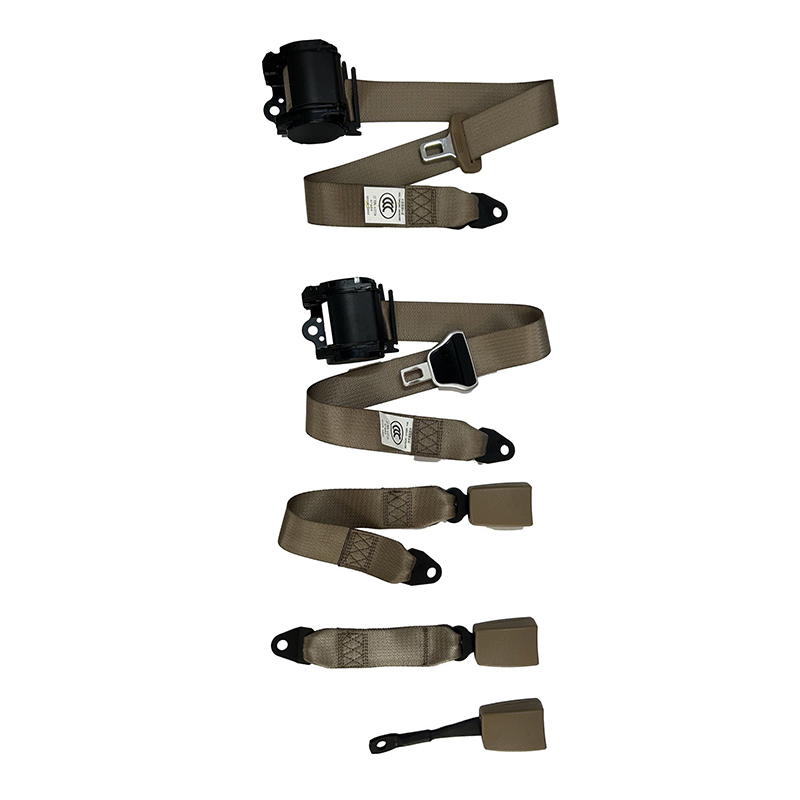
Why can wearing a safety belt correctly protect the fetus? The key lies in the correct wearing method. The safety belt can disperse the impact force generated in the crash to the pregnant woman’s chest, shoulders, and thighs, which are the parts with strong load-bearing capacity, avoiding the impact force from acting directly on the abdomen. At the same time, the force limiter in the safety belt can adjust the tension of the webbing, reducing the pressure on the pregnant woman’s body, and further protecting the fetus. Therefore, as long as the safety belt is worn correctly, it will not squeeze the fetus, but will provide effective protection.
Next, we will introduce the correct wearing method of automobile safety belts for pregnant women, which can be summarized as "shoulder belt on the shoulder, lap belt under the abdomen".
1. Lap belt wearing: The lap belt (the lower part of the safety belt) should be worn under the abdomen, close to the thighs, and tightly attached to the body. It should not be worn on the abdomen or above the abdomen, otherwise, in the event of a crash, the lap belt will squeeze the abdomen and cause harm to the fetus. At the same time, the lap belt should not be too loose or too tight—too loose will not play a protective role, and too tight will affect blood circulation and the comfort of the pregnant woman.
2. Shoulder belt wearing: The shoulder belt (the upper part of the safety belt) should be worn over the shoulder, close to the chest, and should not be worn under the arm or behind the back. Wearing the shoulder belt under the arm or behind the back will reduce the protective effect of the safety belt and may cause injury to the pregnant woman’s ribs in the event of a crash. The shoulder belt should be adjusted to a proper tightness, which can be inserted into a finger between the shoulder belt and the body, ensuring comfort while ensuring the protective effect.
3. Other precautions: Pregnant women should avoid wearing the safety belt too high or too low; the webbing should not be twisted, otherwise, it will affect the load-bearing capacity of the safety belt; when taking a car, pregnant women should try to sit in the back seat (the back seat is safer than the front seat), and adjust the seat to a comfortable position, keeping the back close to the seat back, which can reduce the impact force on the body in the event of a crash.
It is worth noting that for pregnant women in the middle and late stages of pregnancy (after 20 weeks), due to the obvious enlargement of the abdomen, the lap belt may feel uncomfortable when worn under the abdomen. At this time, pregnant women can use a safety belt extender (which can be purchased from professional auto parts stores) to adjust the length of the lap belt, ensuring that the lap belt is still worn under the abdomen and close to the thighs. However, it should be emphasized that the safety belt extender must be a product that meets the safety standards, and should not be used randomly to avoid affecting the protective effect of the safety belt.
In addition, pregnant women should also pay attention to the following points when taking a car: avoid taking a car for a long time (it is recommended to rest for 10-15 minutes every 1-2 hours), avoid sitting in a position that compresses the abdomen, and avoid sudden braking or acceleration of the car. These measures can further protect the safety of pregnant women and the fetus.
To sum up, pregnant women must wear automobile safety belts when taking a car. Wearing a safety belt correctly is the most effective way to protect the safety of mother and baby in the event of a car crash. The correct wearing method is "shoulder belt on the shoulder, lap belt under the abdomen", which can disperse the impact force, avoid squeezing the abdomen, and provide reliable protection. Pregnant women and their families should pay enough attention to this, abandon the misunderstanding that "wearing a safety belt will harm the fetus", and form the habit of wearing a safety belt correctly every time they take a car, protecting the safety of themselves and their babies.
If you have any questions about the wearing of safety belts during pregnancy, you can consult a doctor or a professional auto safety consultant to get more professional advice.
Send Inquiry



X
We use cookies to offer you a better browsing experience, analyze site traffic and personalize content. By using this site, you agree to our use of cookies.
Privacy Policy