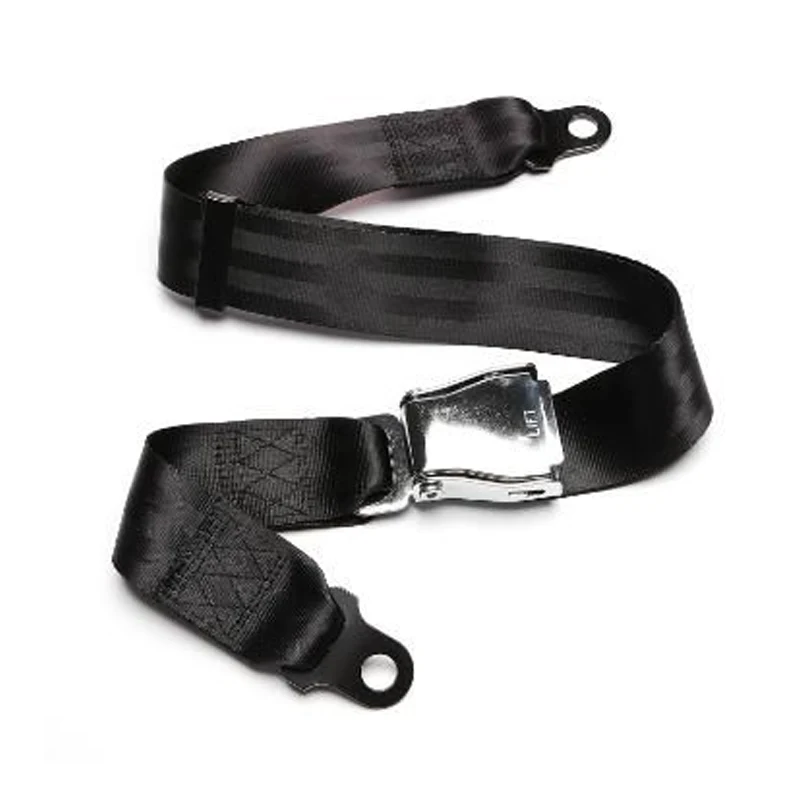
Lap belts are one of the most fundamental yet often underestimated components of passenger safety systems.
This article explores how lap belts work, where they are used, why they matter in both everyday and industrial applications,
and how they address key safety pain points such as impact protection, restraint stability, and user comfort.
You will also learn about different types of lap belts, installation considerations, material selection, maintenance tips,
and real-world use cases across automotive, aviation, industrial seating, and children’s safety systems.
By the end, you will have a clear understanding of why lap belts remain essential in modern restraint design and safety engineering.
1. Introduction to Lap Belt Systems
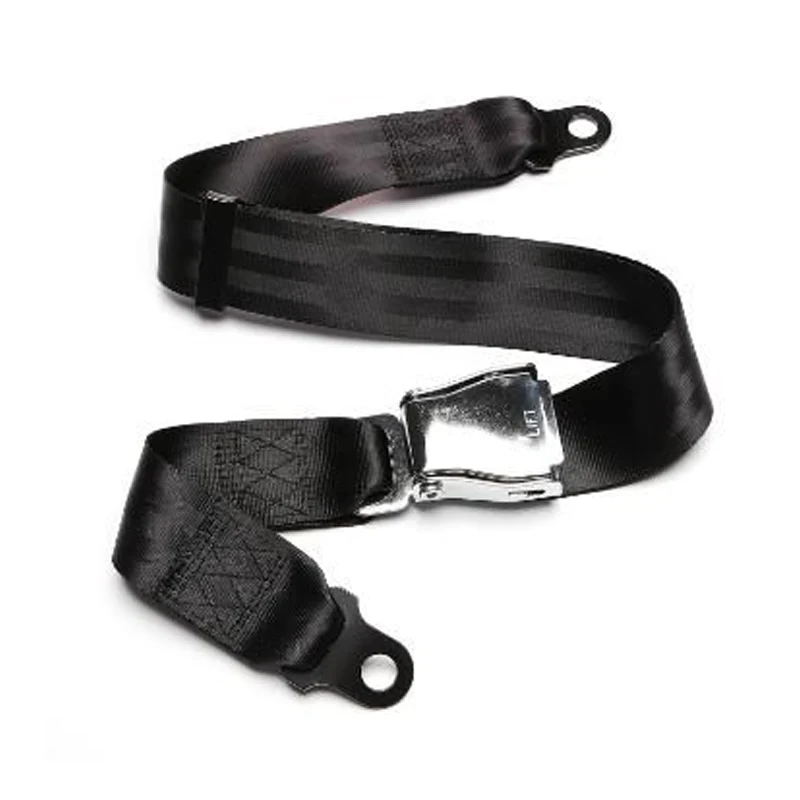
A lap belt is a type of restraint system designed to secure the occupant across the pelvis area.
Unlike more complex multi-point harness systems, the lap belt focuses on stabilizing the lower torso,
preventing forward movement during sudden deceleration or impact.
In many environments—ranging from vehicles and aircraft to industrial machinery seats—lap belts serve as a
foundational safety element. Their simplicity is their strength: they are easy to use, quick to secure,
and highly effective in controlling lower-body movement.
Despite advancements in safety technology, lap belts remain widely used due to their reliability,
affordability, and adaptability across different seating systems.
2. Why Lap Belts Are Still Important Today
Modern safety systems often include advanced features like airbags and multi-point harnesses.
However, lap belts continue to play a crucial role in preventing injuries.
One of the most significant advantages of lap belts is their ability to distribute force across the strongest
part of the human body—the pelvis. This reduces the risk of abdominal injuries and improves overall crash protection.
Key Benefits:
-
Reduces forward body motion during impact
-
Protects abdominal organs by transferring force to the pelvis
-
Simple design reduces user error
-
Compatible with most seating systems
-
Cost-effective safety solution
3. How Lap Belts Work: The Core Mechanics
The working principle of a lap belt is based on restraint and force distribution.
When a sudden stop occurs—such as in a collision or abrupt braking—the body tends to move forward due to inertia.
The lap belt restrains this movement by anchoring the pelvis to the seat structure.
The belt webbing, typically made from high-strength polyester, absorbs and distributes kinetic energy across a
wider surface area, reducing pressure concentration.
Simple Breakdown of Function:
-
Step 1: Occupant sits and secures the belt across the hips
-
Step 2: Belt locks into buckle system
-
Step 3: During sudden motion, force is distributed across pelvic region
-
Step 4: Movement is restricted, reducing injury risk
4. Types of Lap Belts and Their Applications
|
Type
|
Description
|
Common Use
|
|
Manual Lap Belt
|
Standard buckle-based belt requiring manual adjustment
|
Cars, chairs, industrial seats
|
|
Automatic Retractable Lap Belt
|
Self-tightening mechanism for better fit
|
Aircraft seating, modern vehicles
|
|
Heavy-Duty Lap Belt
|
Reinforced webbing for high-load environments
|
Machinery, construction equipment
|
|
Child Safety Lap Belt
|
Designed for smaller body frames
|
Booster seats, school transport
|
5. Materials and Manufacturing Quality
The performance of a lap belt heavily depends on the materials used in its construction.
High-quality belts are typically made from polyester or nylon webbing, chosen for their tensile strength,
abrasion resistance, and durability under stress.
Key Material Characteristics:
-
High tensile strength to withstand sudden force
-
UV resistance for long-term exposure
-
Low stretch factor to maintain stability
-
Heat resistance for industrial environments
Metal components such as buckles and anchors are usually made from stainless steel or reinforced alloys,
ensuring durability and corrosion resistance.
6. Installation and Safety Considerations
Proper installation of a lap belt is critical to its effectiveness.
Even a high-quality belt can fail to perform if improperly mounted or adjusted.
Installation Guidelines:
-
Ensure anchor points are structurally reinforced
-
Check belt alignment across the hip bone area
-
Avoid twisting of the webbing
-
Test buckle locking mechanism before use
-
Follow manufacturer torque specifications for bolts
Incorrect installation can significantly reduce protection efficiency, making periodic inspection essential.
7. Lap Belt vs Other Restraint Systems
Lap belts are often compared with three-point seat belts and full harness systems.
Each system has its own advantages depending on usage context.
|
System
|
Coverage
|
Strength
|
Best Use
|
|
Lap Belt
|
Lower torso only
|
Moderate
|
Industrial, aviation, children
|
|
Three-Point Seat Belt
|
Upper + lower torso
|
High
|
Passenger vehicles
|
|
Full Harness
|
Full body
|
Very high
|
Racing, climbing, rescue operations
|
8. Industry Applications
Lap belts are widely used across multiple industries due to their versatility and simplicity.
Common Applications:
-
Automotive seating systems
-
Aircraft passenger seats
-
Industrial machinery cabins
-
Warehouse forklifts and AGVs
-
Public transportation seating
-
Child safety booster seats
In industrial environments, companies like Wuxi Chuanghecheng Metal Technology Co., Ltd. often integrate lap belt components into metal seat assemblies and safety structures to enhance occupant protection
in demanding operational conditions.
9. Maintenance and Longevity Tips
Regular maintenance ensures lap belts remain effective throughout their lifespan.
Exposure to dust, moisture, and mechanical stress can gradually degrade performance.
Maintenance Checklist:
-
Inspect webbing for fraying or cuts
-
Check buckle locking mechanism regularly
-
Clean with mild soap and water
-
Avoid chemical exposure
-
Replace belts after severe impact events
10. Common User Pain Points and Solutions
1. Discomfort During Long Use
Some users experience discomfort due to improper positioning. Adjusting belt height and tension can resolve this.
2. Difficulty in Fastening
Buckle stiffness can be solved with regular cleaning and lubrication of mechanical parts.
3. Slipping or Loosening
This usually indicates worn webbing or faulty locking mechanisms and requires immediate replacement.
4. Compatibility Issues
Not all seating systems are designed for universal lap belts. Custom mounting brackets may be required.
11. Frequently Asked Questions
Q1: Are lap belts still safe compared to modern seat belts?
Yes, lap belts are still safe when used in appropriate environments. They are particularly effective for lower-body restraint.
Q2: Can lap belts be used alone in cars?
In most modern passenger cars, lap belts alone are not recommended. However, they are still used in specific seating configurations.
Q3: How long does a lap belt last?
With proper maintenance, a high-quality lap belt can last several years, but should be replaced after any major impact.
Q4: What is the safest way to wear a lap belt?
The belt should sit snugly across the hips, not the abdomen, to ensure proper force distribution during sudden stops.
Q5: Are lap belts required by law?
Regulations vary by country and application, but many industrial and transport systems require them as part of safety compliance.
12. Final Thoughts
Lap belts remain a foundational element of safety engineering, balancing simplicity, durability, and effectiveness.
While modern restraint systems continue to evolve, lap belts maintain their relevance across multiple industries due to
their reliability and adaptability.
Whether used in transportation, industrial machinery, or specialized seating systems, understanding how lap belts function
and how to properly maintain them is essential for maximizing safety outcomes.
If you are looking for high-quality belt components, customized safety seating solutions, or durable industrial metal fittings, Wuxi Chuanghecheng Metal Technology Co., Ltd. provides professional manufacturing support tailored to different application needs.
Contact us to explore reliable lap belt components and custom safety solutions designed for long-term performance and industrial-grade protection.