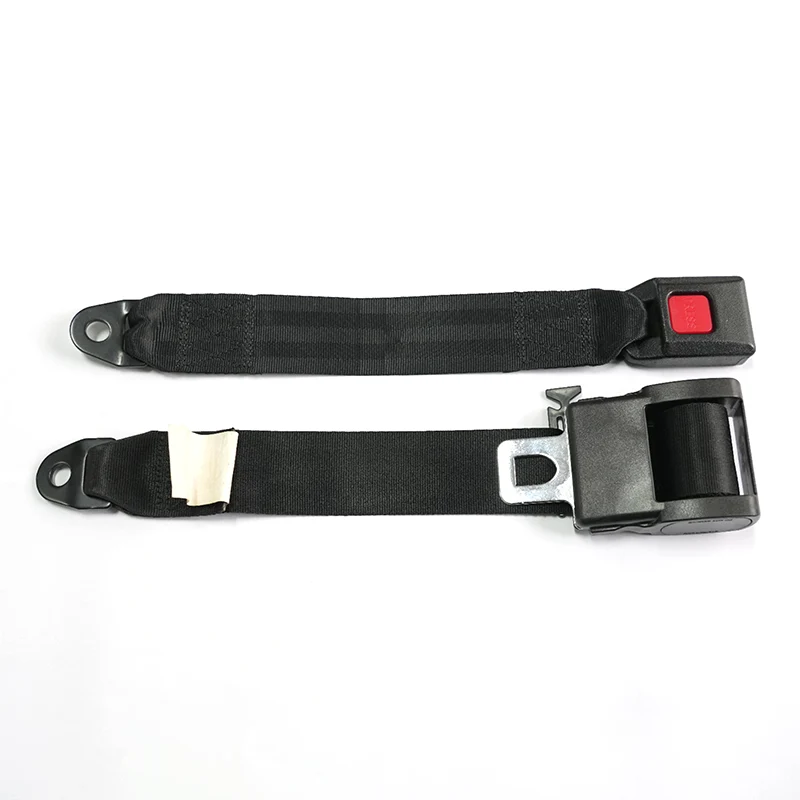
Cargo transportation involves more than simply moving goods from one place to another. Every shipment faces risks such as shifting loads, damaged products, transportation delays, and safety hazards. A reliable Cargo Binding Belt helps businesses secure loads efficiently, protect valuable cargo, reduce transportation losses, and improve operational safety across logistics, warehousing, construction, agriculture, and industrial sectors.
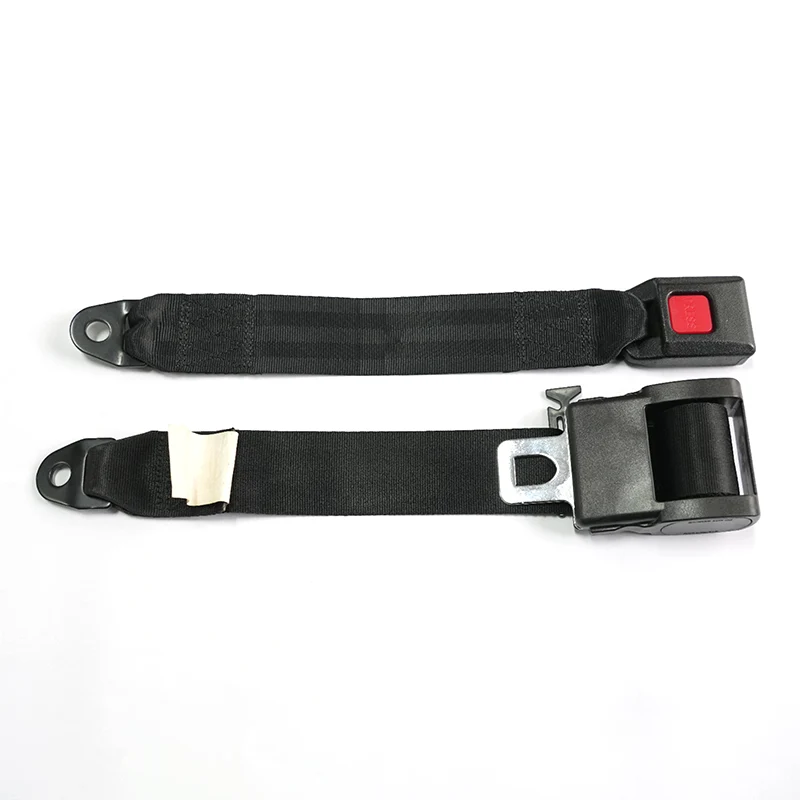
Article Summary
This article explains everything buyers, logistics companies, warehouse operators, and industrial users need to know about Cargo Binding Belt products. You will learn how cargo binding belts work, why they are important, how to select the right specifications, common mistakes to avoid, maintenance methods, application industries, safety standards, and future market trends. The guide also highlights how high-quality manufacturing improves durability and transportation safety.
What Is a Cargo Binding Belt?
A Cargo Binding Belt is a high-strength fastening strap designed to secure cargo during transportation or storage. It is commonly used with ratchet mechanisms, hooks, buckles, or tensioning systems to prevent goods from shifting, falling, or becoming damaged.
These belts are widely used for trucks, trailers, shipping containers, warehouses, rail transport, marine logistics, and industrial cargo handling. The main purpose is to stabilize loads and improve transportation safety.
Modern cargo binding belts are typically manufactured using polyester webbing because of its excellent tensile strength, flexibility, abrasion resistance, and weather durability.
|
Feature
|
Description
|
|
Primary Function
|
Securing cargo during transportation
|
|
Main Material
|
Polyester webbing
|
|
Common Accessories
|
Ratchets, hooks, buckles
|
|
Industries
|
Logistics, construction, manufacturing
|
Why Is Cargo Security Important?
Improperly secured cargo creates serious risks during transportation. Heavy braking, sharp turns, uneven roads, and sudden impacts can cause loads to shift unexpectedly. This can lead to damaged goods, vehicle instability, workplace injuries, and even fatal accidents.
Cargo security directly impacts:
-
Transportation safety
-
Product protection
-
Delivery efficiency
-
Insurance costs
-
Operational compliance
-
Customer satisfaction
Businesses that ignore proper cargo securing systems often face financial losses caused by damaged shipments, delayed deliveries, or legal liabilities.
Important Note: Even a small load movement can significantly affect vehicle balance at high speed. Properly tensioned cargo binding belts help minimize these risks.
How Does a Cargo Binding Belt Work?
Cargo binding belts operate by applying controlled tension around or across cargo. Once tightened, the belt creates friction and holding force that prevents movement during transportation.
Most systems include:
-
Webbing strap
-
Ratchet tensioner
-
Hooks or end fittings
-
Locking mechanism
The ratchet mechanism allows operators to apply strong tension efficiently without excessive physical effort. Once locked, the belt maintains tension throughout transportation.
Basic Working Process
-
Position cargo correctly
-
Wrap the belt around or over the load
-
Attach hooks securely
-
Tighten using the ratchet
-
Lock the mechanism
-
Inspect tension before transport
What Are the Main Types of Cargo Binding Belts?
Different transportation environments require different securing systems. Cargo binding belts are available in several designs depending on cargo weight, application method, and transport conditions.
|
Type
|
Main Use
|
Advantages
|
|
Ratchet Tie Down
|
Heavy cargo
|
High tension strength
|
|
Cam Buckle Strap
|
Light-duty loads
|
Quick operation
|
|
Hook-End Strap
|
Truck transportation
|
Easy attachment
|
|
Endless Loop Strap
|
Bundling cargo
|
Flexible usage
|
Which Materials Are Commonly Used?
Material quality determines the durability, strength, and lifespan of a cargo binding belt. Polyester remains the most widely used material because it combines flexibility with excellent load-bearing capability.
Key material characteristics include:
-
High tensile strength
-
Low stretch rate
-
UV resistance
-
Abrasion resistance
-
Moisture resistance
-
Chemical resistance
High-quality webbing maintains stable tension even during long-distance transportation and harsh environmental conditions.
Which Industries Use Cargo Binding Belts?
Cargo binding belts are essential across numerous industries where load stability and transportation safety are priorities.
Logistics & Transportation
Used for trucks, trailers, containers, and freight systems to secure goods during shipping.
Construction
Helps secure steel, timber, machinery, pipes, and heavy equipment.
Manufacturing
Supports warehouse storage and industrial material handling operations.
Agriculture
Used for transporting farming equipment, hay, and packaged products.
What Are the Main Benefits of Using Cargo Binding Belts?
High-quality cargo binding systems offer substantial operational and financial advantages.
-
Reduces cargo damage
-
Improves transportation safety
-
Enhances loading efficiency
-
Minimizes product movement
-
Supports regulatory compliance
-
Increases workplace safety
-
Reduces insurance claims
-
Extends cargo stability during long transport
Compared with traditional ropes or chains, modern cargo binding belts are lighter, easier to operate, and more flexible for different cargo shapes.
How to Choose the Right Cargo Binding Belt?
Selecting the correct cargo binding belt is critical for transportation safety and operational efficiency.
Buyers should evaluate several important factors before purchasing.
|
Selection Factor
|
Why It Matters
|
|
Load Capacity
|
Determines safe working strength
|
|
Belt Width
|
Affects pressure distribution
|
|
Length
|
Must fit cargo dimensions
|
|
Hook Type
|
Determines attachment compatibility
|
|
Environmental Resistance
|
Supports outdoor durability
|
Businesses should always verify product certifications, testing standards, and manufacturing quality before placing bulk orders.
Common Mistakes to Avoid
Many transportation accidents result from improper cargo securing practices rather than equipment failure.
-
Using damaged or worn belts
-
Overloading beyond rated capacity
-
Improper hook attachment
-
Insufficient tension
-
Ignoring weather exposure
-
Using incorrect strap lengths
-
Skipping regular inspections
Regular training and equipment inspection are essential for safe cargo handling operations.
Maintenance and Storage Tips
Proper maintenance extends product lifespan and improves operational safety.
-
Store belts in dry environments
-
Avoid prolonged UV exposure
-
Inspect for cuts or abrasions
-
Keep ratchet mechanisms clean
-
Replace damaged components immediately
-
Avoid contact with corrosive chemicals
Routine maintenance helps reduce unexpected failures and improves long-term cost efficiency.
What Safety Standards Should Cargo Binding Belts Meet?
Reliable cargo binding belts should comply with recognized international quality and safety standards. Certification demonstrates that the products have been tested for strength, durability, and operational safety.
Common testing considerations include:
-
Breaking strength
-
Working load limit
-
Abrasion resistance
-
Weather resistance
-
Hardware durability
-
Tension performance
Professional manufacturers maintain strict quality control procedures throughout production to ensure consistent performance.
What Are the Future Trends in Cargo Securing Technology?
As logistics systems become more advanced, cargo securing technologies continue to evolve.
Future trends include:
-
Smart tension monitoring systems
-
Lightweight high-strength materials
-
Improved corrosion-resistant hardware
-
Automation-friendly securing systems
-
Eco-friendly manufacturing materials
-
Enhanced durability for global shipping
Modern supply chains increasingly demand safer, more efficient, and more sustainable transportation solutions.
Frequently Asked Questions
How long does a cargo binding belt last?
The lifespan depends on usage frequency, load conditions, maintenance, and environmental exposure. High-quality belts can last several years with proper care.
Can cargo binding belts be reused?
Yes. Most cargo binding belts are designed for repeated industrial use, provided they remain undamaged and pass regular inspections.
Why is polyester commonly used?
Polyester offers high strength, low stretch, abrasion resistance, and excellent weather durability, making it ideal for transportation applications.
How can I know the correct load capacity?
Always select belts according to the cargo weight, transportation conditions, and required safety factors. Manufacturers typically provide working load limit specifications.
Conclusion
Cargo Binding Belt systems play a vital role in modern transportation and industrial logistics. They improve cargo stability, reduce product damage, increase transportation safety, and support efficient operations across multiple industries.
Choosing high-quality products from an experienced manufacturer is essential for long-term reliability and performance. Durable materials, advanced production processes, and strict quality inspection standards help ensure consistent cargo securing capability in demanding environments.
Wuxi Chuanghecheng Metal Technology Co., Ltd. focuses on providing reliable cargo securing solutions designed for industrial transportation, logistics, warehousing, and heavy-duty applications worldwide.
Contact us today to learn more about professional Cargo Binding Belt solutions, customized specifications, and long-term cooperation opportunities for your business.